

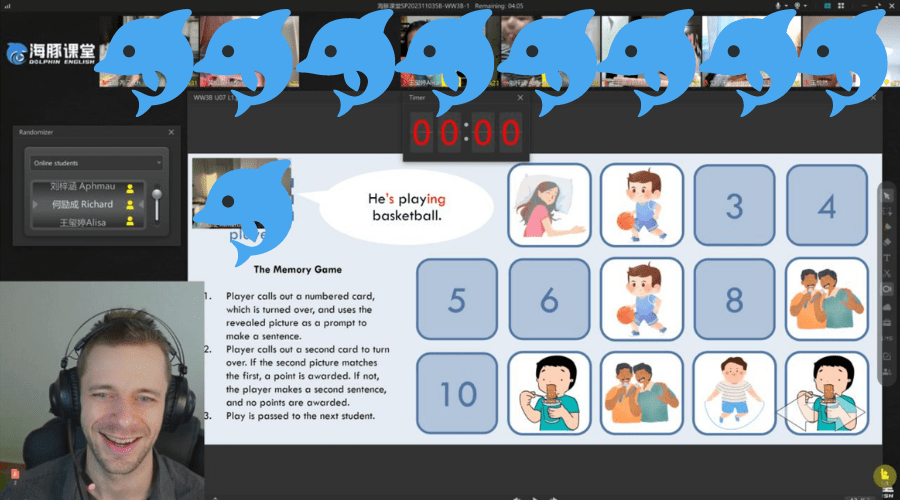
It is a simple fact that non-verbal cues, such as body language and facial expressions, wield considerable influence over student engagement and interaction. Picture a classroom where the teacher’s demeanor exudes clarity and enthusiasm, where every question is posed with energy and purpose. This dynamic atmosphere captivates students, drawing them into the conversation with eager anticipation.
Clarity and enthusiasm are the twin pillars of effective communication in the classroom. When teachers infuse their questions with clarity, students grasp the intent effortlessly, paving the way for meaningful participation. But it’s not just about what is said—it’s about how it’s said. By varying tone and delivery, educators inject vitality into their interactions, holding students’ attention like a master storyteller weaving a tale. The subtle nuances of vocal inflection and expression create a rich tapestry of engagement, fostering an environment where learning flourishes.
Consider the impact of a conversation where one party appears disinterested—the dissonance is palpable. In the classroom, students are keen observers, attuned to the slightest shifts in their teacher’s demeanor. They can discern authenticity from artifice, recognizing genuine investment in the topic and appreciation for their contributions. Thus, it becomes imperative for educators to convey not only knowledge but also genuine interest and concern for student input.
When students step into the spotlight to share their thoughts, teachers must become avid listeners. Active engagement with student responses communicates respect for their ideas and encourages further exploration. Conversely, a lackluster response, characterized by monotonous tones or distracted gazes, can stifle enthusiasm and breed dissatisfaction. It’s a subtle dance of reciprocity, where every nod of encouragement or furrowed brow of concentration reinforces the bond between teacher and student.
 Dolphin English
Leave a comment